02
View All
An Independent Editorial Journal — London
Observations on diet and nutrition, balanced meals, and the quiet intelligence of everyday nourishment — gathered from a small editorial office on Kingly Street.
Begin ReadingTarelova Dispatch is an independent editorial publication concerned with the everyday practice of nourishment — how people compose meals, respond to seasonal produce, navigate portion awareness, and make gradual progress toward lasting habits. The journal does not chase trends; it documents patterns.
Our contributors — writers, nutritionists, and home cooks — approach each topic through an editorial lens that values precision over polemic. Articles are reviewed against published dietary guidelines before publication and corrected publicly when necessary.
About the PublicationSeasonal produce, fibre-rich grains, and the everyday logic of unprocessed ingredients.
Calorie awareness, sustainable pace, and the gradual approach to body composition over time.
Weekly menus, kitchen routines, grocery planning, and the structure behind home-cooked meals.
Daily fluid intake, the relationship between hydration and energy, and practical morning rituals.
Fermented foods, prebiotic-rich vegetables, and building a digestive-supportive kitchen routine.
Sport, fitness, and how nutritional choices interact with physical activity in a sustainable way.
Attentiveness to hunger, meal pace, and the internal signals that guide appetite without rigid rules.
Perspectives from qualified nutrition professionals on practical approaches to everyday nourishment.
Every article published by Tarelova Dispatch is reviewed by a second editor before going to press. Sources are cited and errors are corrected publicly.
Content is selected based on published nutritional research. Writers disclose any commercial relationships that could influence subject matter selection.
Tarelova Dispatch is not affiliated with any commercial, governmental, or institutional body. Editorial independence is non-negotiable.
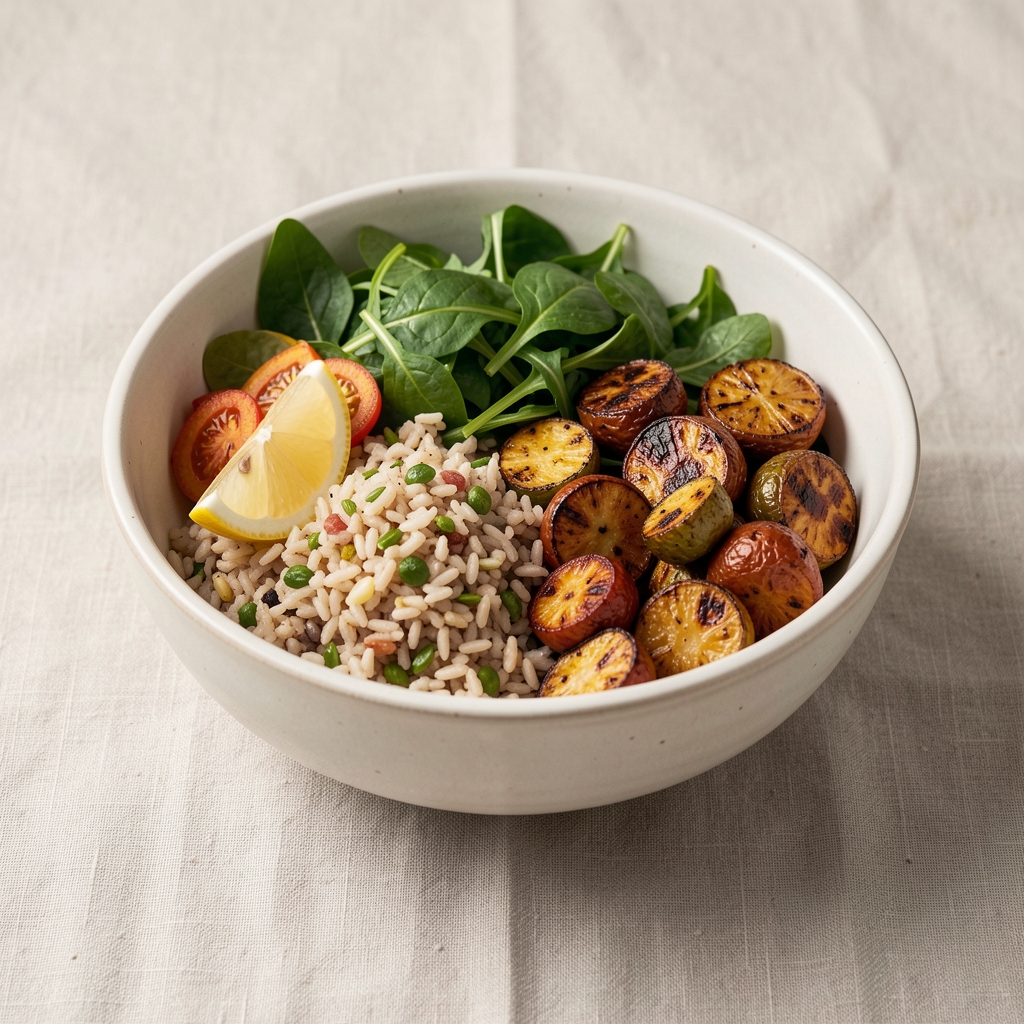
A balanced meal provides a considered spread of macronutrients — proteins, carbohydrates, and fats — alongside micronutrient-rich vegetables or fruits. The distinction lies less in precise measurement and more in the variety of food groups represented, and in the habit of building colour and texture into each plate.
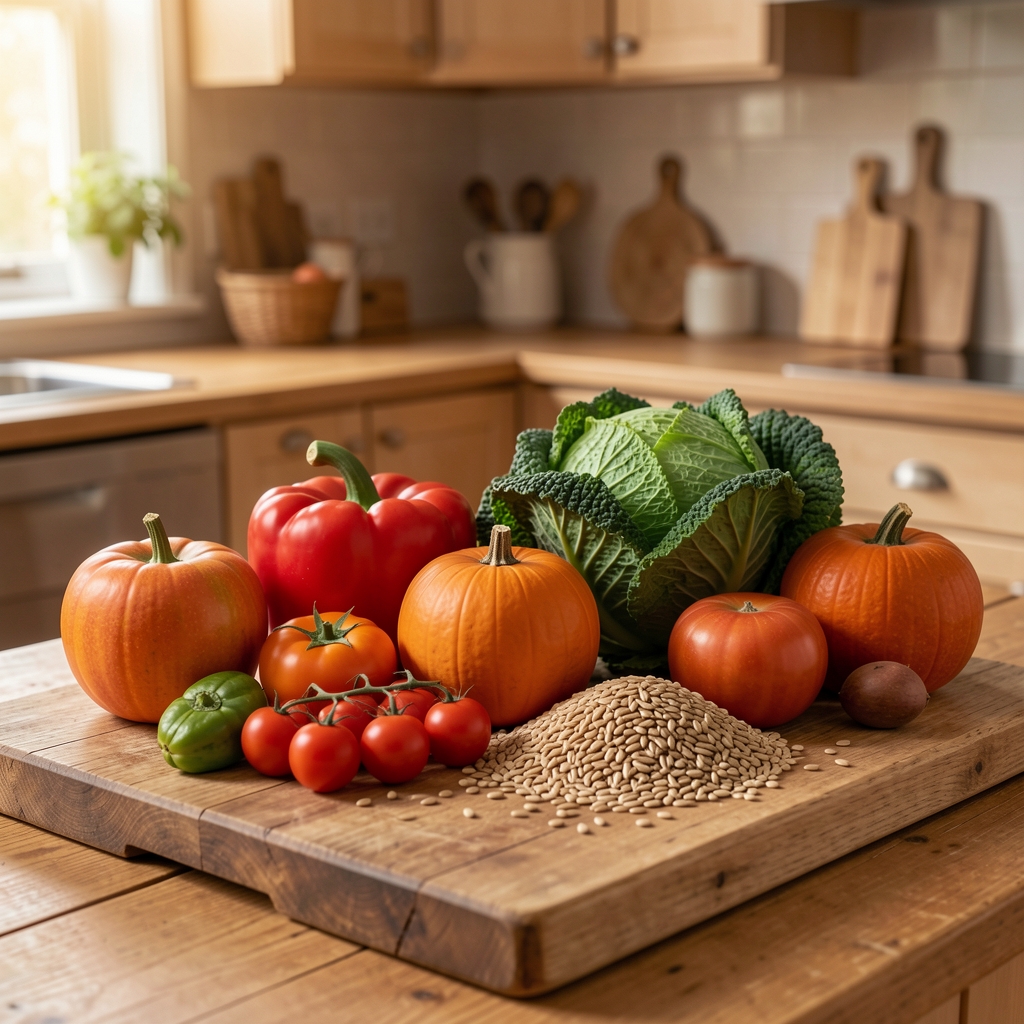
Seasonal produce typically reaches the kitchen at its nutritional peak, having spent less time in storage and transit. This means higher fibre content, more intact vitamins, and greater flavour — all of which make it easier to cook satisfying meals with fewer added ingredients. It also naturally introduces dietary variety as the year progresses.
Calorie awareness and calorie counting occupy different ends of a spectrum. The former is a general understanding of the relative energy density of food groups — knowing that a handful of nuts contains considerably more energy than an equal volume of leafy greens. Counting requires precise measurement. Many people find awareness sufficient for long-term habits, while counting can be useful for a defined period of attention.
Meal planning removes the decision fatigue that often leads to less considered food choices. When meals are prepared and portioned in advance, there is less opportunity for opportunistic eating. It also encourages grocery planning around whole foods, which tends to displace processed alternatives by occupying the available budget and storage space.
Topics are selected by the editorial team based on relevance to everyday dietary practice, available published research, and the specific expertise of our contributing writers. We favour subjects where there is a practical angle — something a reader can engage with in their own kitchen — over abstract nutritional theory. Readers may also propose topics through the contact form.
Whether you have a topic you would like to see covered, a correction to flag, or simply a question about everyday nutrition — our editorial team reads every message sent to the journal.
Write to the Journal